

Do I Need Travel Insurance If I’m Not Going to Cancel?
Real Stories From Travel Advisors
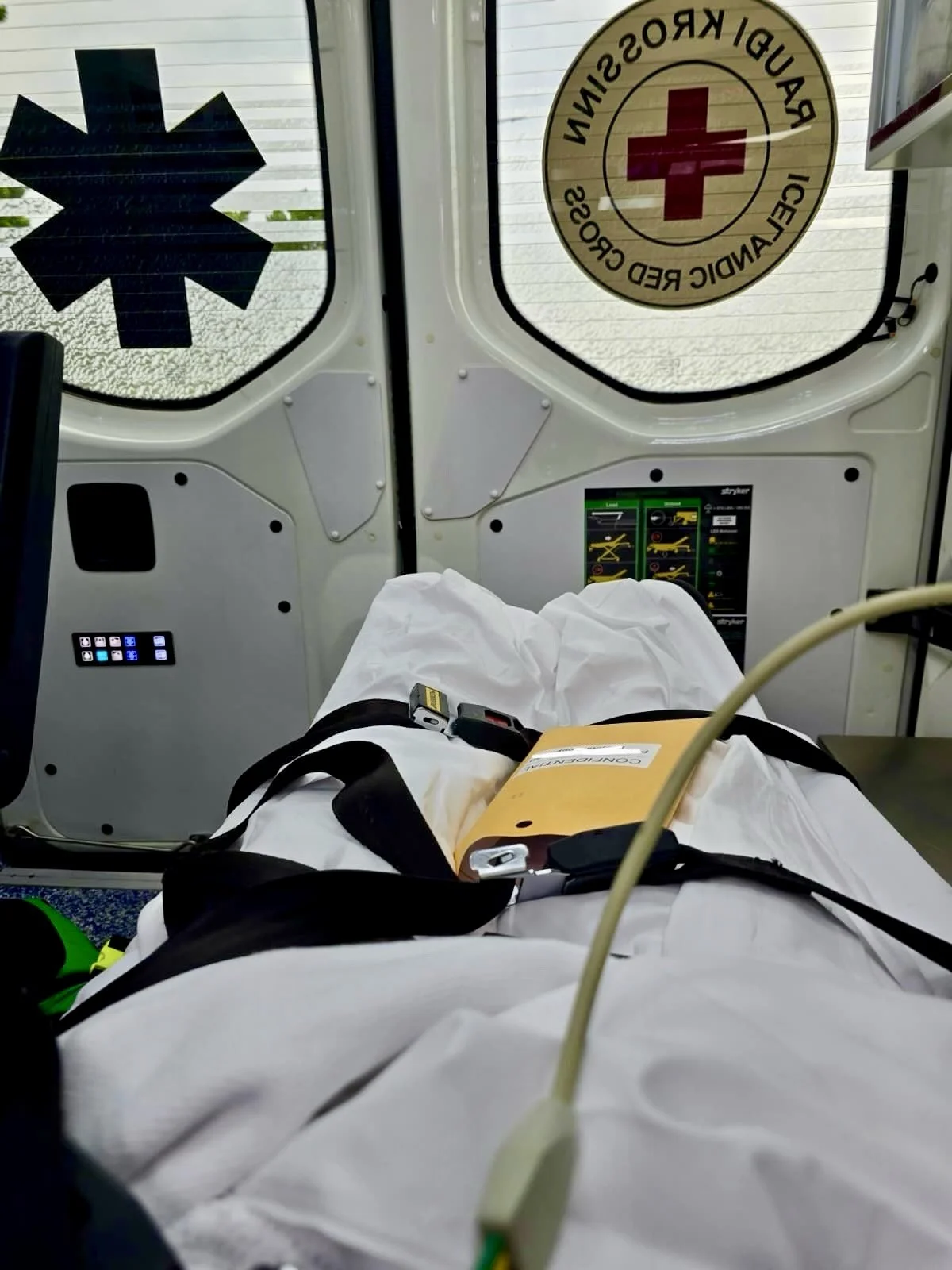
Not quite the Iceland excursion we had planned. In the back of an ambulance during my partner’s medical emergency, which eventually came with a $23,000 ship medical bill.
Honestly, travel insurance is one of those things you pay for and hope you never use.
When you come home from a wonderful vacation and nothing went wrong, it’s easy to wonder whether you needed it. But when you’re looking at a $23,000 medical bill on a cruise ship, you feel very differently.
I know because I’ve been there.
Travel insurance is worth considering even if you have no intention of canceling. Depending on the policy, it may help with unexpected medical expenses, travel delays, or a vacation that gets interrupted. The insurance provider can explain what a particular plan includes.
At World of Wonder Travel, we’ve experienced emergencies ourselves, helped clients through them, and seen what happens both with insurance and without it. That’s why we always bring it up.
One important thing before we get into the stories: we’re travel advisors, not insurance advisors. We can help you obtain quotes, provide your trip information, and connect you with the insurance company. We cannot choose a plan for you, interpret its terms, or promise that a particular situation will be covered.
What we can do is tell you why we think it deserves your attention.
Is Travel Insurance Only for Trip Cancellation?
No. Depending on the plan, travel insurance may include benefits for things that happen during your trip, such as emergency medical care, delays, or an early return home. You need to ask the provider which benefits, limits, and exclusions apply.
And honestly, the medical side is something I really want people to think about.
On the first day of an all-inclusive vacation in Jamaica, I broke my toe.
Day one. I had barely started enjoying the vacation, and suddenly I was heading to the ER. That little change of plans came with about $2,500 in medical expenses.
My insurance covered it completely.
Then there was our cruise in Iceland, when my partner developed heart issues and spent two and a half days in the ship’s medical center. The bill was approximately $23,000.
We paid it upfront, and our insurance later reimbursed the entire amount.
Was it stressful? Absolutely. Was that a lot of money to pay at the time? Also absolutely. But knowing we had insurance gave us some comfort while we dealt with a scary situation.
The medical staff talked about how people sometimes put off getting care because they’re worried about the cost. That conversation has stayed with me.
WOW advisor Carrie has experienced the other side. Her husband had a medical emergency in Turks and Caicos that cost $4,000 out of pocket. They did not have travel insurance.
Being comfortable losing the money you paid for a vacation is one thing. Being prepared for an unexpected medical bill is another.
What If You Have to Change Your Trip Before You Leave?
Sometimes you’re ready to go, and life has other plans.
WOW advisor Maryanne recently helped a couple who had been looking forward to a New England vacation to see the fall leaves.
Two weeks before departure, the husband suffered a brain bleed and needed emergency surgery.
Maryanne reworked their flights, rental car, four hotels, and two excursions so they could take the trip later. They’ve since been enjoying their vacation and sending her beautiful photos.
But moving a trip doesn’t mean every payment can be recovered or transferred. Their insurance claim is for the costs they couldn’t recover during rebooking.
WOW advisor Jann had a client scheduled to attend the British Open who suffered a major stroke two weeks before travel. In his case, his insurance reimbursed all of the trip costs he had paid before departure.
Neither traveler booked a vacation expecting a medical emergency. Nobody does.
What Happens If Your Flights Are Canceled While You’re Traveling?
Canceled flights can mean extra hotel nights, meals, transportation, and missed reservations. Some policies offer benefits for covered delays or interruptions, but the insurer needs to explain when those apply and what expenses are eligible.
Jann had a family vacationing in Greece during the worldwide technology outage in July 2024. They ended up staying extra days because they couldn’t get home as planned.
Their insurance reimbursed their additional expenses.
One of my clients had an Iceland and London trip planned, but weather canceled their flights to Iceland. We salvaged the vacation by making it an all-London trip and adding days there. Their insurance later reimbursed the missed Iceland portion.
Then there’s Carrie’s experience getting stuck in Charlotte with two children.
After hours of delays, flights were grounded. They finally took an Uber to a hotel about 30 minutes away at 2 a.m. With flights unavailable for several more days, they decided to drive 12 hours home.
Two rental car reservations fell through before they secured a third, an hour from the airport. They were taking Ubers around North Carolina with two kids and buying diapers, wipes, and essentials because they didn’t have their belongings.
The rental car alone cost about $1,200, plus approximately $250 for the hotel and $200 in other expenses. They left Bangor at 10 a.m. Friday and got home at 4 a.m. Sunday.
They had no travel insurance for that trip, either. Lesson learned.
These are individual experiences, not promises about what another policy would pay. But they show how quickly a vacation can come with expenses you never planned for.
Where Can You Get Travel Insurance?
You have several options, and you’re welcome to compare them.
Through your travel supplier. A cruise line, tour company, or vacation package supplier may offer travel protection when you book. Ask whether it includes anything booked separately, such as flights, extra hotel nights, or excursions. Also ask whether a cancellation benefit pays money back or provides a future travel credit. Compare the price and benefits with other options before deciding.
Through a third-party provider we work with. We can help obtain a quote using your trip information, including separately booked arrangements. Depending on where you live, several plans may be available. The provider can explain the differences.
If you add to your vacation after purchasing insurance, please tell us promptly. New flights, an extra hotel stay, or prepaid excursions may mean your trip cost or dates need updating. Ask the insurer about deadlines for those changes.
Through an annual plan. If you travel frequently, an annual plan may be worth discussing with an insurer. Ask about limits for individual trips and for the year, especially if one vacation costs much more than the others.
Personally, I use an annual plan and purchase a separate policy for certain bigger trips. That’s my approach to my own travel; it isn’t a recommendation that everyone do the same.
Through a company you choose yourself. You don’t have to purchase through us. Compare options, call the companies, and get your questions answered.
Through your credit card. Some cards include travel benefits. But please don’t assume paying with the card means everything is covered. Ask the benefits administrator what applies, including medical expenses, eligible travelers, payment requirements, and limits.
How Much of Your Trip Should You Insure?
Start by gathering your trip costs, then discuss them with the insurer. Ask which costs should be included and how insuring only part of the trip could affect the benefits you want.
There are two questions worth thinking about:
How much prepaid trip money could I lose?
What unexpected expenses could I face while traveling?
If protecting the prepaid vacation cost isn’t your priority, ask an insurance provider about options for emergency medical care and other needs during your trip.
Avoid assuming you have “full coverage” just because you insured the entire trip cost. Every policy has terms, limits, and exclusions.
When Should You Buy Travel Insurance?
We suggest having the insurance conversation as soon as you book your vacation.
Purchase deadlines vary. Certain benefits, including options related to pre-existing medical conditions or Cancel For Any Reason, may have a short eligibility window after your first trip payment.
Waiting until your suitcase is packed could mean missing that window. Waiting until something happens is often too late.
If either of those benefits matters to you, let your advisor know so we can connect you with the provider to discuss its requirements. You don’t need to figure out the policy language on your own.
What Should You Do If Something Goes Wrong on Your Trip?
First, get the help you need. For a medical emergency, seek care.
Keep your policy number and the insurer’s assistance phone number somewhere you can easily find them. Contact the insurer for assistance, coverage questions, claim instructions, and any steps it requires.
Contact your WOW advisor for help with the travel arrangements. We can help gather booking records, but the insurer reviews the claim and decides what is payable.
Save receipts, airline delay and cancellation notices, itemized medical bills, and records showing what was refunded and what wasn’t. It’s much easier to collect those as things happen than reconstruct everything weeks later.
Also be prepared for the possibility of paying expenses first and seeking reimbursement afterward. That’s exactly what happened with our ship medical bill.
A Few More Questions We Hear About Travel Insurance

A broken toe on day one landed me in a wheelchair at Beaches Negril. But there was still ice cream, so it wasn’t all bad!
Does My Regular Health Insurance Cover Me Outside the United States?
Don’t assume it does. Ask your health insurer what applies at your destination and how payment works. Ask separately about medical evacuation, which is different from medical treatment.
The U.S. Department of State recommends checking your overseas health coverage and considering medical evacuation insurance.
Is Credit Card Travel Insurance Enough?
That depends on the card’s benefits and your needs. Ask the benefits administrator what is included and excluded. Having a travel credit card doesn’t automatically mean you have the medical or cancellation benefits you want.
Should I Update My Insurance If I Add Expenses to My Trip?
Contact your advisor and insurer promptly when you add prepaid arrangements or change your travel dates. Ask the insurer what needs updating and whether a deadline applies.
Does Travel Insurance Let Me Cancel for Any Reason?
Standard trip cancellation benefits apply to the covered reasons in the policy. They don’t automatically let you cancel simply because you change your mind.
Ask the insurer about any optional Cancel For Any Reason benefit, including availability, purchase deadlines, cancellation requirements, and reimbursement limits.
Can My Travel Advisor Tell Me Which Insurance Plan to Choose?
We can help you obtain quotes and connect you with the provider. Questions about which plan fits your needs, policy terms, and whether a situation is covered belong with the insurance provider.
Before You Say, “I’m Not Going to Cancel”
We’ve also worked with travelers who had to cancel without insurance and wished they had purchased it. It’s hard to have that conversation when they’re already dealing with something upsetting and we can’t recover their money.
We always encourage travelers to consider insurance because we’ve seen how much can happen.
So before you think, “I’m not going to cancel this trip, so I don’t need insurance,” remember that canceling is only one possibility.
You might break a toe on day one. Someone you love might need emergency surgery. Your flight might be canceled while you’re thousands of miles from home.
There are a million other scenarios, including some you may never think of.
We’ve been there, dealt with the bills, helped rearrange the trips, and lived to tell about it. That’s why we want you to give travel insurance a serious look.